- Home
- About Us
- Domestic Tour
- Varanasi Tour
- Religious Tour
- Nepal Tour
- Char Dham
- Pind Daan
- Transport
- Blog
- Reach Us
- Home
- About Us
- Domestic Tour
- Varanasi Tour
- Religious Tour
- Nepal Tour
- Char Dham
- Pind Daan
- Transport
- Blog
- Reach Us

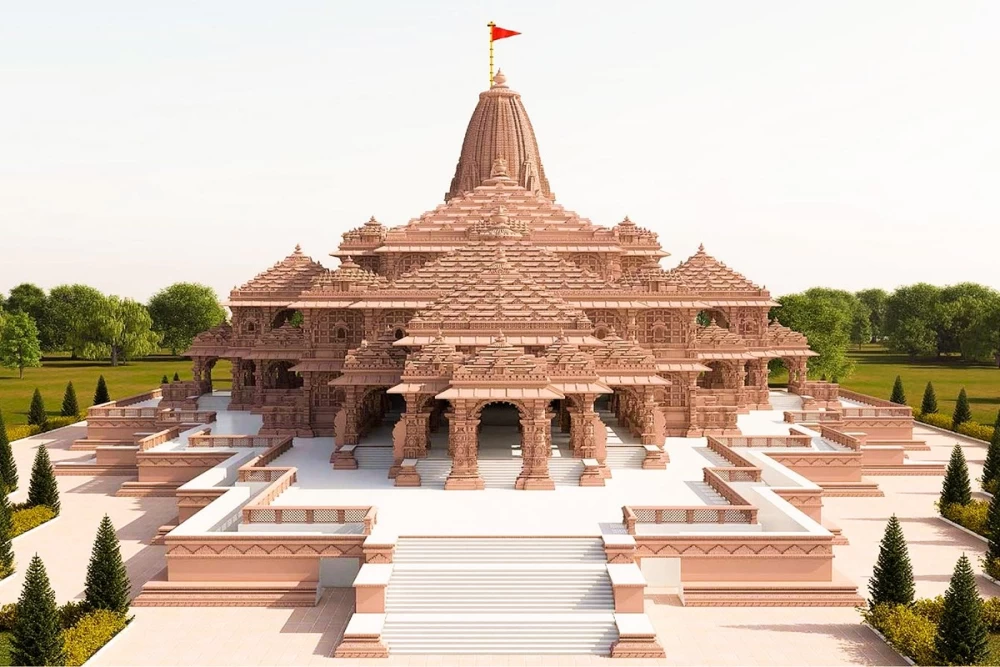
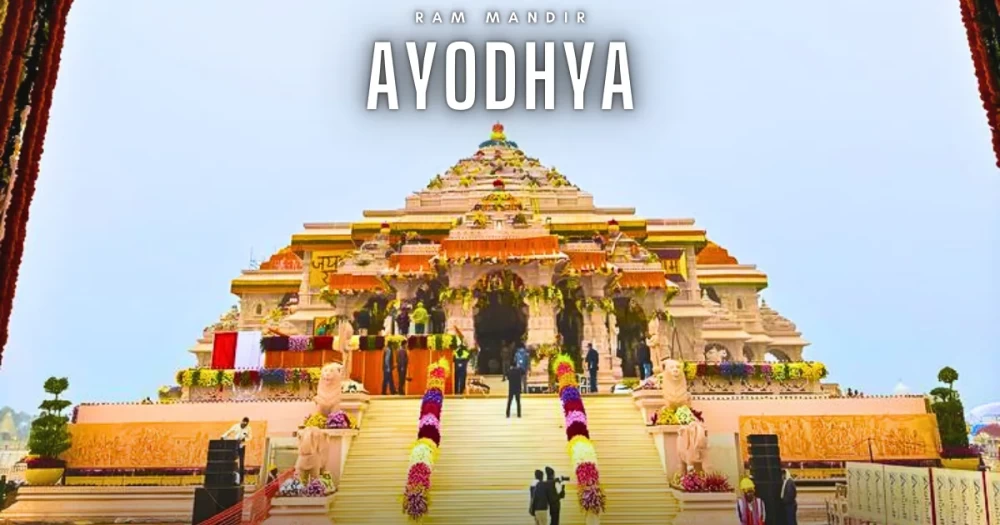
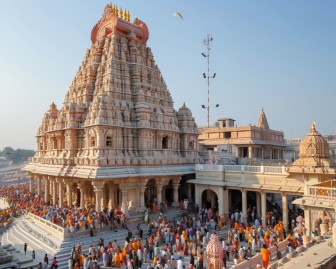
Ayodhya has become one of the busiest pilgrimage stops in India, and the demand for organized trips here has grown right along with it. Travelers used to fold a quick visit into a longer Varanasi or Lucknow circuit. Now people fly or take the train specifically for Ayodhya, building an entire trip around the Ram Mandir, the ghats along the Saryu, and the temples that make up the old city's core.
The Ram Janmabhoomi temple's consecration in January 2024 reshaped how people plan trips here. Before that, Ayodhya was a half-day detour most travelers squeezed into a bigger Uttar Pradesh trip. Now it stands on its own as a destination, and the infrastructure has caught up to match.
Maharishi Valmiki International Airport opened just before the temple did, and it now runs regular flights from Delhi and other major metros, cutting a trip that once meant hours on the road down to under an hour in the air. The railway station got a full rebuild too, with a temple-style facade and platforms built for the crowd size the city sees today. The road link to Lucknow, roughly 130 kilometers away, has also improved enough that a same-day drive from there is genuinely comfortable rather than a slog.
A package earns its price by solving three specific problems: getting you from the airport or station to your hotel without hassle, putting you close enough to the temple zone that you're not commuting an hour each way, and scheduling your Ram Mandir visit before the queue turns into a two-hour wait. Skip any one of these, and you'll spend half your trip solving logistics instead of actually seeing the city.
Balaji Travels builds its Ayodhya packages around exactly this structure, pairing darshan timing with hotel stays and local transport into a single plan. It's worth comparing what's bundled in against what a self-planned trip would cost you in time before you decide which route to take.
Ram Janmabhoomi Temple anchors every visit, since it's the reason most people are making the trip at all. But the city holds more once you've had your darshan there. Hanuman Garhi sits on a hill in the middle of the old town, and tradition says you visit here first, before Ram, since Hanuman guards the approach. Getting to the top means climbing 76 stone steps, so pace yourself if stairs aren't your strong suit.
Kanak Bhawan surprises people who expect it to be a minor stop. Legend holds that Kaikeyi gifted this palace to Sita after her wedding, and the gold-plated deities inside back up the name. It draws a fraction of the crowd the main temple does, which makes it one of the better places in the city to just stand and take things in. Nageshwarnath Temple, dedicated to Shiva, sits close to the ghats and is worth timing for early evening, when the light over the river turns gold and the day's crowds have mostly cleared out.
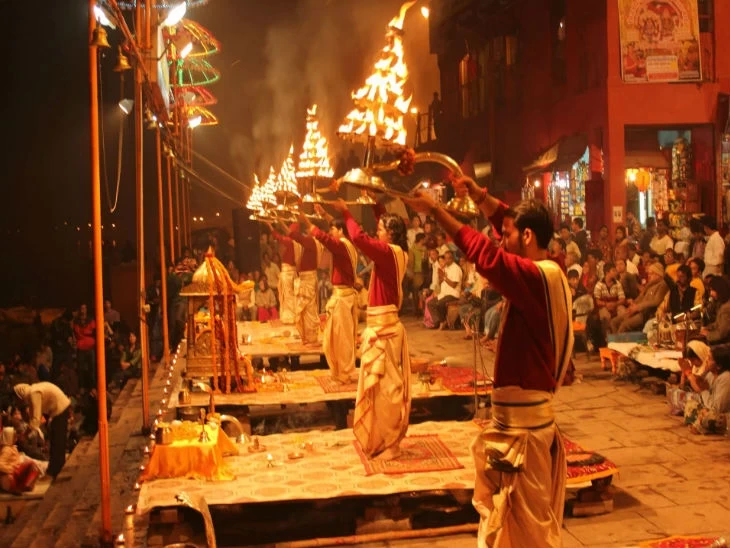
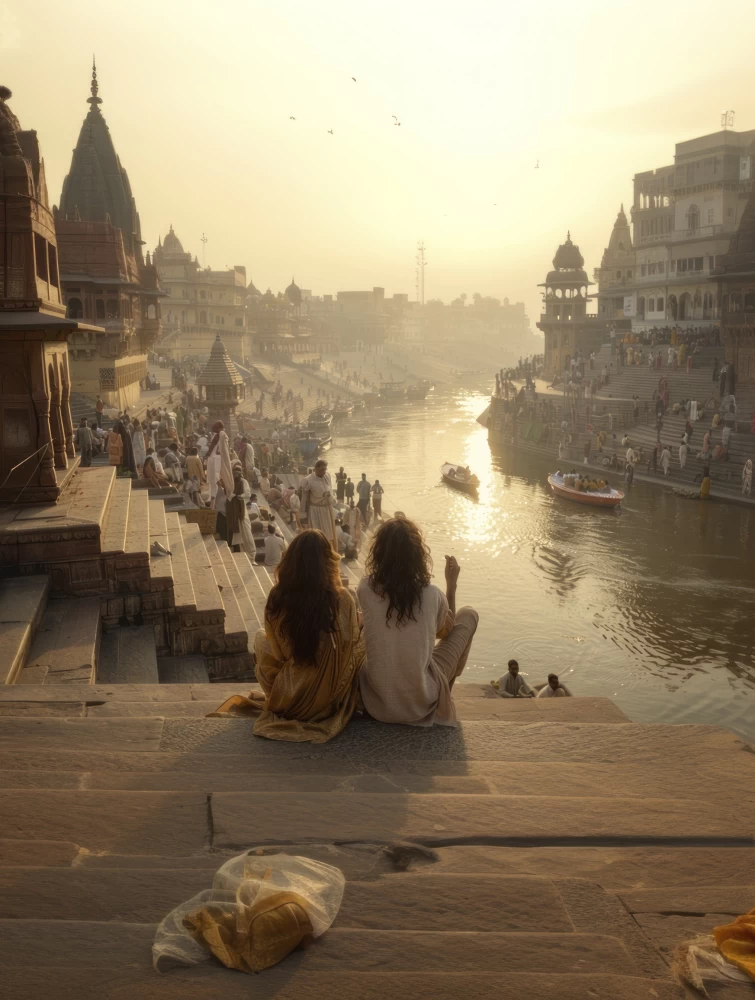
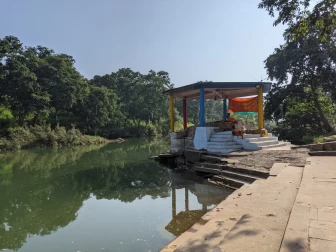
The evening aarti at the Saryu ghats deserves a real slot in your day rather than a rushed five minutes on the way back to the hotel. It runs quieter than the temple queues, and it's the one part of most days where you can just sit by the water instead of moving from site to site. Dashrath Mahal, tied to the legend of King Dashrath's palace, rounds out a solid two or three-day plan.
October through February brings the mildest weather for walking between sites, and the Ram Mandir queue moves faster outside festival season. Ram Navami in spring pulls in crowds well beyond what the city handles on a normal week, so if you want an unhurried darshan, plan your trip around that date instead of during it. If you're chasing that festival energy on purpose, book your hotel months ahead, because rooms near the temple zone go first and go fast.
Fixed packages fit travelers who want a set price and a schedule with no decisions left to make once they've booked. These run two to three days and cover the core temples, transfers, and a hotel stay. Custom plans make more sense if you're combining Ayodhya with other cities, traveling with family members who need a slower pace, or adding a stop like Guptar Ghat, tied to the legend of Ram's final steps on earth.
Ask about express or VIP darshan slots, no matter which route you pick. The regular queue at the Ram Mandir can run two to three hours during a busy weekend, and paying extra to skip that line is worth it for anyone working with a tight schedule.
Two to three days are enough to cover the main sites comfortably, including the Ram Mandir, Hanuman Garhi, Kanak Bhawan, and an evening at the Saryu ghats.
An Ayodhya tour package makes sense if you want transport, hotel, and darshan timing sorted together, especially during busy periods when queues and room availability turn a self-planned trip into a scramble. Planning it yourself works fine if you enjoy handling logistics and your dates are flexible, though it'll cost you more time coordinating each piece.
October through February, when the weather stays mild and the temple queue moves faster than during peak festival season.
Only if your dates fall near Ram Navami or any major festival. A regular-season visit doesn't need it, though it still shaves time off your day if you're short on hours.
Yes, with some planning around the Hanuman Garhi climb, since those 76 steps aren't easy for everyone. Most other sites sit at ground level, and a custom plan with private transport and a slower pace works well for older family members.
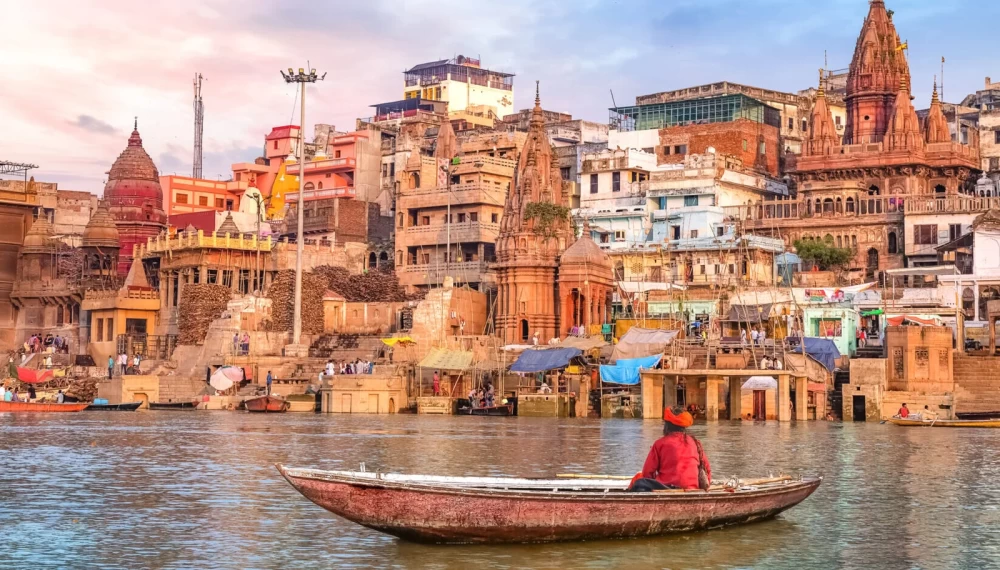
Yes. The road and rail links between the two cities, roughly 200 kilometers apart, make a combined four to five day trip realistic without rushing either stop.
Modest clothing that covers shoulders and knees works everywhere in the city. Expect to remove shoes and leave phones or bags at security checkpoints near the main shrine.